

FDA releases findings of investigation into Diamond pet food recall
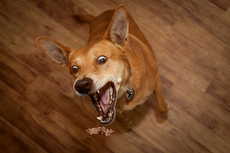
Was your dog's food on the recall list?
flickr photo by eschipul
A pet food recall that has had consumers buzzing in recent weeks because of its breadth prompted the Food and Drug Administration to conduct an investigation of the plant that all of the food was produced.
Diamond Pet Foods' plant, which produces pet food for several companies including Wellness, Kirkland, Canidae, Solid Gold and others, is located in Gaston, S.C. Previously, had been suspended and had resumed.
On Tuesday, the FDA released the findings of their inspection by way of a Form 483 Report.
The report was the result of a week-long inspection that began April 12 after an outbreak of human Salmonella infantis infection was traced to contaminated pet food.
The FDA has not released any information with regard to how many pets have been affected by the contaminated food.
According to the Centers for Disease Control, at least 15 people in nine states and one person in Canada had been confirmed infected with Salmonella from contact with the contaminated dry dog food or from contact with a pet that had eaten the tainted product as of May 11.
Salmonella infantis is rare, and typically only three or fewer cases are reported per month to PulseNet, according to the CDC.
To sum up the report, four main observations were made:
Click here to read the report in its entirety.
Salmonella is transmitted from animals to humans and humans to humans by the fecal oral route. The bacteria can be shed in the stool of pets for four to six weeks after infection. Infected pets may not have any obvious symptoms of illness. Because of that, it can be difficult to tell if your pet has Salmonella.
Here are some simple rules of thumb to prevent getting Salmonella from your pet:
- Clean up after your pet. If you have a dog, use a plastic bag to pick up the stool, and clean up the stool while on walks or from the yard and dispose of the stool in a tightly sealed plastic bag. For cats, scoop the litter box daily and dispose of the stool in a tightly sealed plastic bag. After contact with an animal's fecal matter, wash your hands with soap and running water. (Abide by the "Happy Birthday Rule"!)
- Wash your hands after feeding your pet (treats, too).
- Wash your pet's bowls or foraging toys after each feeding. Regular washing of water bowls is good, too.
- If you transfer your pet's kibble to a storage container, do not mix batches of food. Be sure to wash the container, rinsing and drying thoroughly before adding a new bag of food to it. Save the packaging (it has the valuable UPC and 'best by' information on it)!
- Wipe down the area where your pet eats their food, and rinse well.
- Using a mild bleach/dish washing detergent solution is a good idea, ensuring that you rinse thoroughly.
Click here to read the timeline on the recall and investigation.
Was your family affected by the recall? Take the poll.
Lorrie Shaw leads the pets section for AnnArbor.com and owner of Professional Pet Sitting. Shoot her an email, contact her at 734-904-7279 or follow her adventures on Twitter.
Comments
RunsWithScissors
Thu, May 17, 2012 : 1:09 p.m.
Lorrie, I appreciate your taking the time to consolidate this information and bring it to our attention. This latest round of recalls must have kept you busy. Are dog & cat treats, made in USA, subject to the same scrutiny or guidelines as kibble?
Lorrie Shaw
Thu, May 17, 2012 : 3:39 p.m.
RunsWithScissors: My pleasure. Though, it is unsettling. Yes, all pet consumables are subject to the same scrutiny. That being said, you've likely are aware of the hoopla with regard to the chicken jerky treats imported from China - the FDA can't at this time determine if there is a correlation between those treats and illnesses (typified by kidney dysfunction) in canines. In all of their testing, they are not finding any pathogens, chemicals or metals on their list of possibilities in the samples. Once more information becomes available, we'll post it on the pets section. Until then, the FDA is cautioning pet owners about feeding them to their pets. Thanks for asking about treats and the like. That's a great point.
Epengar
Wed, May 16, 2012 : 8:57 p.m.
Last sentence of second paragraph is a fragment, not at all clear what it means. Billy Bob Schwartz: Salmonella bacteria die if they dry out, or if they are hit by sunlight, or if they are eaten by other organisms. So in your example, the chance of a kid getting sick is extremely low, because there is time for the residue to dry, or to get hit by sun, or for some other larger organism (like an insect or a snail) to come along and eat it.
Billy Bob Schwartz
Wed, May 16, 2012 : 8:31 p.m.
So...A doggie poops on the school playground. The human cohort for the dog picks up the pooplump, leaving residue on the ground. Maybe 50 or 100 dogs and their cohorts do this in one day. The next day, kids run and fall and play and get poop residue on their hands. They touch their lips or touch another kid. The kid licks his lips. Does the kid get sick because of this? Just curious. No specific issue involved; just asking.
Lorrie Shaw
Wed, May 16, 2012 : 8:57 p.m.
Billy Bob Schwartz: It *could* happen, yes. But, let's keep this in perspective. There are over 2,000 strains of Salmonella, (many of which we have been exposed to) and with all of the pets in homes across the country that also have kids, they manage just fine, despite their exposure. There are strains that aren't seen as often in humans, as in the case of the current recall, and that's why there is such an uptick in human cases. I'm willing to bet that most of those are people with compromised immune systems (those undergoing chemo, or are on immuno-suppressants), or are elderly or very young and unsophisticated immune systems. Granted, a child could become sick from a dog's fecal matter. But considering all of the wild animals and birds that defecate in schoolyards and on play equipment on a regular basis... Thanks for pointing that out. It's a good reason for parents and teachers to reiterate why handwashing is so important, and why to do it regularly!
DBH
Wed, May 16, 2012 : 8:28 p.m.
Sadly, the four main observations in the report remind me of the violations often cited by the Washtenaw County Health Dept. after examining many (though, fortunately, not all) of the restaurants in this county.