

Wild plants are the ultimate in local food - good for us and the environment
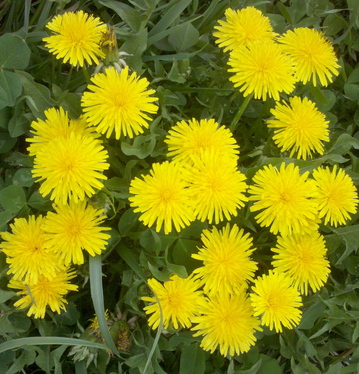
Why not eat your dandelions instead of destroying them? They have more beta-carotene than carrots.
Linda Diane Feldt | Contributor
If you let the “weeds” in your garden grow, they are likely to need less water, less fertilizer and fewer resources than commercially grown plants.
The nutritional yield from many weeds is often higher than you’d have with the garden plants. Using lamb’s quarters, dandelion greens and plantain in place of lettuce for salads; nettles for pot greens in place of spinach; yellow dock in place of basil for pesto are just a few examples of weeds that have greater nutritional yields than what you would buy or grow in a conventional garden.
Foragers are keenly aware of climate crisis, as harvest cycles have changed by weeks and invasives get a leg up due to overall warming. An early love of the outdoors, spurred on by feeding our appetite, nurtures a larger caring for the environment and the damage done by pollution, overharvesting, toxic applications of weed killers, and other degradations to the fields, streams, and woods we travel regularly.
I’ve spotted and reported an oil spill, and I’ve reported on overapplication of weed killers. For over 40 years, I’ve acted to preserve, protect and improve wild areas.
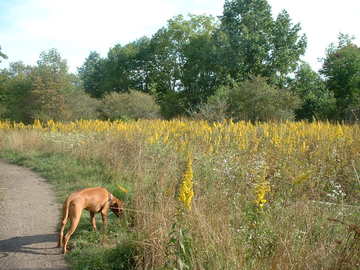
Humans aren't the only ones to enjoy a natural setting.
Linda Diane Feldt | Contributor
How we personally act to protect and defend the environment varies widely. Eating locally matters.
Eating seasonally has a positive and far-reaching impact, and avoiding pesticides and herbicides while improving the quality of lawns and gardens with compost and natural supplements instead of petroleum-based fertilizers is a huge benefit to our local waterways and friends downstream.
Not having a monoculture green grassy lawn is even better for our planet. Growing some of your own food is a benefit not only to our health but to everyone.
Supplementing your diet with wild foods has an even greater impact. With nothing to transport, it is the ultimate local food.
The zero maintenance is a clear winner, too: Wild foods will usually grow where they flourish and in this area we have rich environments all around us! With no packaging, no labels, no intermediary stocker and no cashier, the price is right and the positive environmental impact looks better and better.
All of this is wrecked if people harvest wild plants in ways that harm the ecosystem. Indeed, harvesting ethically has to be a part of every forager’s pledge.
Ask permission, be aware of your feet and what might be damaged by your presence, don’t take more than you will use, and make sure what you’ve taken can be renewed. Be sensitive to delicate ecosystems, let the pollinators have first dibs and don’t overharvest an area. Those are the basics, none of which take the place of common sense and awareness.
Consider adding wild harvested food to your diner table to help the environment, both locally as well as globally. Healthy for you, healthy for our planet.
Linda Diane Feldt is a local holistic health practitioner, teacher and writer. You can follow her on Twitter, visit her website, or contact her directly ldfeldt(at)holisticwisdom.org. Linda Diane will be at the Green Fair from 6-9 p.m. in downtown Ann Arbor, Friday, June 10. Please stop by and say hi and see some wild plants you can eat.
Comments
bedrog
Fri, Jun 10, 2011 : 12:17 p.m.
I'd be happy to let anyone who wants to come out and graze our property for the many edibles on it....including some annoying raccoons.
John Spieser
Fri, Jun 10, 2011 : 4:32 a.m.
Just had a salad tonight of Lambs quarters, purselane, oxalus (sp?), dandelion greens, violets, wild amaranth and a few scallions / lettuce from the human made garden. Yum ! No kidding Linda ! A frugal endeavor ! Thanks
KJMClark
Fri, Jun 10, 2011 : 2:29 a.m.
Yellow dock! Is *that* what that durned weed is??? We've been yanking that thing for ages. And the whole time we could have been eating it?? Shoot. Well we've got lots of it blooming now. We'll have to give it a try. But you left out purslane! It tastes great in salads, and is one of the best land sources of omega-3 fatty acids, and is almost beneficial in the garden. It also does great in hot, dry conditions, and helps other plants.